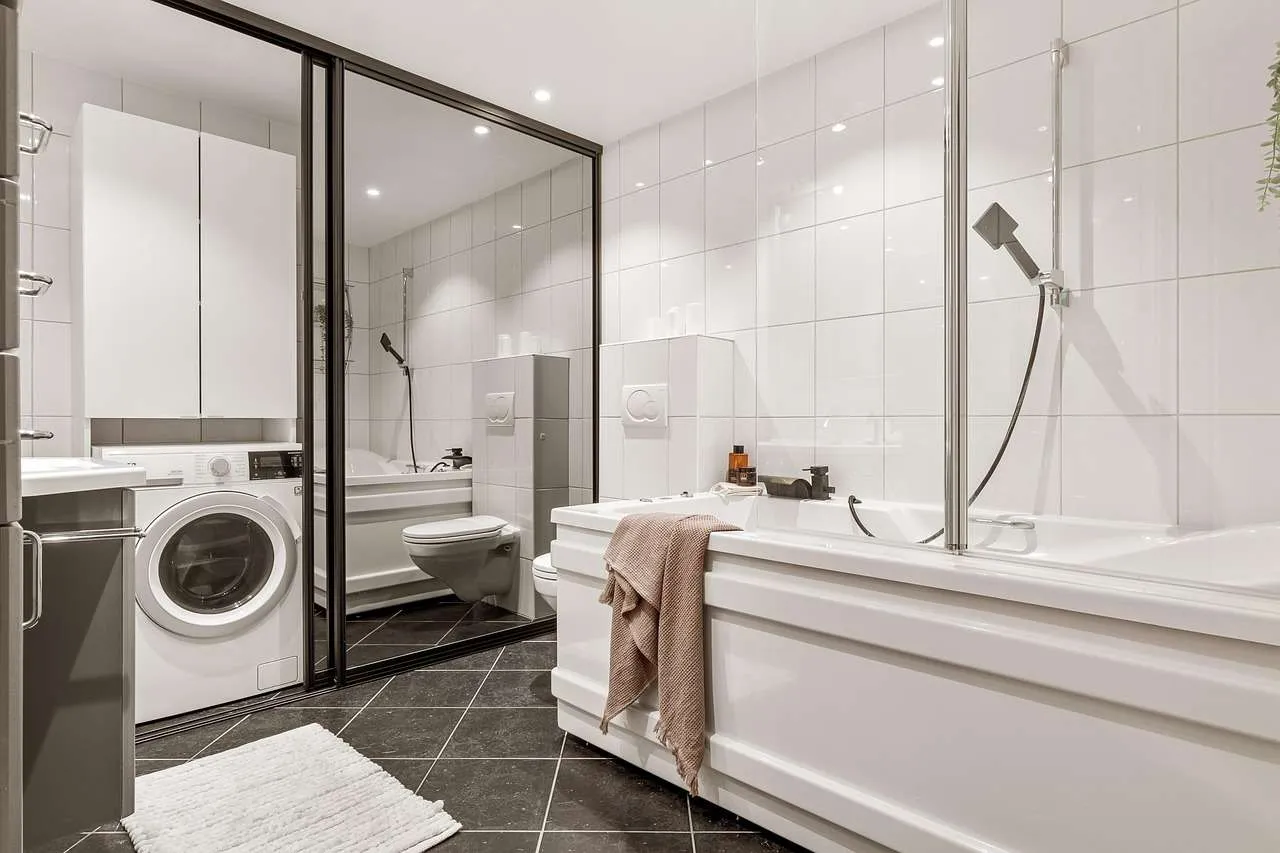
Designing a small bathroom can be challenging, yet with the right approach you can create a space that feels larger, more functional, and stylish. This guide on small bathroom ideas covers layout strategies, storage solutions, fixtures, finishes, lighting, and color to help you maximize every square inch without sacrificing comfort. Drawing on established design practices and practical tradeoffs, this article reflects expertise and reliable information you can trust for remodeling decisions.
Smart layouts for small bathrooms
Thoughtful layout is the backbone of small bathroom ideas. A compact footprint benefits from clean sightlines, wall hugging fixtures, and universal accessibility principles.
Floating fixtures
Floating vanities and wall hung toilets create negative space below, making the floor visually expand and easier to clean. This simple trick increases perceived space and accommodates compact storage beneath.
Pocket doors and swing alternatives
Using a pocket door or a subtle sliding entry eliminates door swing interference with fixtures and improves flow. When space is tight, a sliding option often adds a few inches of usable room in the main area.
Shower design that maximizes space
Corner showers, curved enclosures, and recessed niches reduce bulk. Consider a curved glass door to minimize visual obstruction and a built in shower niche for shampoos to avoid extra caddies.
Storage solutions that save space
Smart storage is critical for small bathrooms. Use vertical space, ceiling shelves, and recessed cabinetry to keep surfaces uncluttered.
- Over toilet storage shelves or cabinets that tuck behind the tank
- Recessed niches in the shower for soaps and shampoos
- Drawer organizers and slim pullout baskets in vanities
- Tall slim cabinets that fit into narrow walls
Fixtures and finishes for small spaces
Choose compact, efficient fixtures with clean lines. Consider wall mounted faucets and compact toilets to reduce bulk. For finishes, use light tones and reflective surfaces to enhance brightness and openness.
Fixtures to consider
Compact toilets with dual flush reduce space while conserving water. A pedestal or wall mounted sink increases under sink clearance. Glass shower enclosures reflect light and feel larger than opaque panels.
Lighting and color strategy
Light, neutral tones reflect natural light and make walls recede. Layer lighting with ambient, task, and accent layers. Use mirrors to amplify light and create depth.
Comparison of space saving options
Below is a concise comparison of common options used in small bathrooms to help you decide what fits your floor plan, budget, and style.
| Feature | Pros | Cons | Best For |
|---|---|---|---|
| Floating vanity | Creates air underfoot; easier cleaning | May limit storage | Visual openness, modern look |
| Pocket door | No swing space required; better flow | Higher installation cost | Narrow doorways and tight rooms |
| Corner shower | Maximizes floor area; less enclosed feel | Can be tricky to waterproof | Small baths with a shower focus |
| Recessed niches | Keeps bottles off surfaces | Requires precise plumbing/finishes | Shower storage |
Consistency in design helps the space feel cohesive. Choose a single material family and repeat textures to unify the room while keeping a simple palette for a larger sense of space.
Conclusion, embracing small bathroom ideas means balancing function and style through smart layouts, clever storage, and bright finishes. By prioritizing clean lines, energy efficient fixtures, and thoughtful lighting, you can transform a compact bath into a comfortable, user friendly space that still reflects personal taste.